• Skip to primary navigation
  • Skip to main content
  • Skip to primary sidebar

Click 4 Poor 2 Paid .com

Sheldon

Superior SEO for Your Best High Ticket Affiliate Blog

August 14, 2026 by Sheldon Leave a Comment

Superior SEO for your best high ticket affiliate blog. These basics matter because SEO is often seen as complicated, technical, and full of jargon that scares people away before they’ve written a single word.
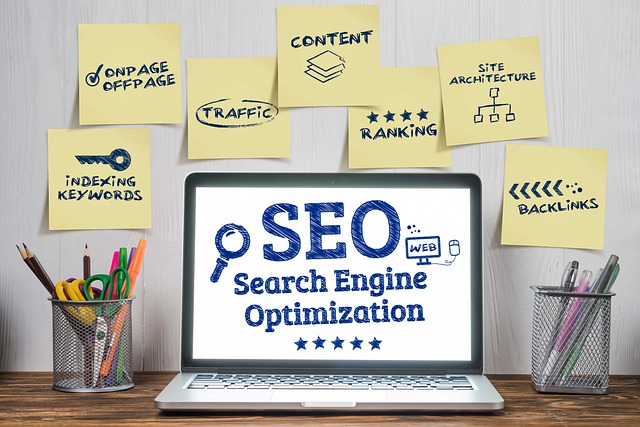
Superior SEO for your best high ticket affiliate blog

I want to strip it down to what actually moves the needle for a high-ticket affiliate blog and skip everything else.

Start With What People Are Actually Typing.

Before you write anything.

Get specific about the exact phrases someone would type into Google when they’re close to a high-ticket buying decision.

Superior SEO for your best high ticket affiliate blog

Not broad, generic terms like “make money online.”

Those are crowded with massive websites you have no realistic chance of outranking anytime soon.

Instead, look for specific, intent-rich phrases:

  • “Is [program name] worth it.”
  • “[program name] vs [competitor].”
  • “Best [category] for [specific audience].”

These longer, more specific phrases get searched less often than broad terms.

And the people searching them are much closer to making a decision — which matters far more for high-ticket conversions than raw traffic volume.

Superior SEO for your best high ticket affiliate blog

Free Tools That Actually Help

You don’t need expensive software to start.

Google itself gives you free research: type a phrase into the search bar and look at the autocomplete suggestions.

Plus the “people also ask” and “related searches” sections at the bottom of the results page.

These are literally Google showing you what real people are searching for around your topic.

Once you have a working blog, Google Search Console is free.

It shows you which exact phrases people are already finding your content for.

Including ones you never intentionally targeted, which often reveal content opportunities you hadn’t thought of.

Also worth mentioning is Yoast SEO. They have free, powerful plugin for your WP blog.

Remember that your content comes first, and their green lights will appear as your working.

One Clear Topic Per Post

A common mistake is trying to cram multiple topics into a single post to “cover everything.”

Search engines — and readers — respond better to content that answers one specific question thoroughly.

Rather than several questions superficially.

If you find yourself wanting to cover two distinct questions, that’s usually a sign you’re looking at two separate blog posts, not one.

Superior SEO for your best high ticket affiliate blog

Your Title and First Paragraph Do More Work Than You Think

Your title should closely match what someone actually searched, without being awkward or stuffed with keywords.

“Is X Worth It? An Honest Review” beats “X Review Pricing Cost Worth It Comparison 2026” every time — both for search engines and for actual humans deciding whether to click.

Your first paragraph should directly address the question implied by your title within the first few sentences.

Readers—and search engines—both use this early content as a signal of whether the page delivers on its promise.

Internal Links Are More Powerful Than People Realize

Linking between your own related blog posts helps in two ways:

It keeps readers on your site longer by moving them from one useful piece of content to another.

And it helps search engines understand which topics on your site are most important and interconnected.

Every new post you publish should link back to at least a couple of relevant older posts.

And where it makes sense, go back and add links from older posts to new ones too.

Don’t Ignore Page Speed and Mobile Experience

A large portion of your traffic, especially from Pinterest and social platforms, will arrive on a phone.

If your site loads slowly or looks broken on mobile, you lose people before they ever read your carefully written content.

Most modern blogging platforms handle this reasonably well by default.

But it’s worth actually checking your own site on your own phone regularly, rather than assuming it’s fine.

Consistency Beats Perfection

A blog that publishes one well-researched, specific post a week for six months.

Will typically outperform a blog that publishes fifteen posts in one burst and then goes quiet.

Search engines reward sites that show ongoing signs of active maintenance and genuine usefulness over time, not just a one-time content dump.

Superior SEO for your best high ticket affiliate blog

What SEO Actually Rewards, Underneath All the Technical Advice

Strip away all the tactics.

And SEO fundamentally rewards content that genuinely, thoroughly answers a real question a real person had.

Every technical tip — keyword research, internal linking, page speed — exists in service of that one goal.

If you keep that as your north star.

Most of the technical details become secondary details you can pick up as you go.

Rather than a wall you have to understand before you’re allowed to start fully.

Where to Start This Week

Pick one specific question your ideal reader is actively searching for right now.

Something specific enough that you could answer it thoroughly in a single, focused post.

Write that one post fully, honestly, and specifically.

That’s a better use of an hour than reading ten more SEO guides.

P.S. Interested in how I do all of this? Check out some free training here.

Have specific questions you’re searching for that you haven’t gotten answers about yet?

My blog might help you.

Sheldon Mohl

Filed Under: blog Tagged With: Superior SEO for your best high ticket affiliate blog

Do You Need to Easily Promote Your 2K Product?

August 13, 2026 by Sheldon Leave a Comment

Need to easily promote your 2K product? Let’s talk about the thing nobody says out loud the first time you post a link to something expensive, it feels uncomfortable.

Need to easily promote your 2K product

Almost like you’re doing something wrong.

I want to walk through exactly why that feeling shows up.

And why it’s not actually telling you the truth about what you’re doing.

Need to easily promote your 2K product

Where the Discomfort Actually Comes From

Most of us grew up with some version of the belief that talking about money, especially asking for it, is impolite.

Or that recommending something expensive to someone makes you a little bit pushy, even a little bit like you’re taking advantage of them.

That belief runs deep, even for people who logically know affiliate marketing is a legitimate business model.

So when you sit down to write content recommending a $1,500 program, that old belief quietly shows up and says.

“Who are you to suggest someone spend this much money?”

It feels like a personal failing, but it’s actually just an old, unexamined assumption running in the background.

The Reframe That Actually Helps

Here’s the shift that changes everything: you’re not creating the need for this expensive purchase.

The person reading your content already has the problem.

They’re already searching for a solution.

The only question is whether they find a genuinely honest, well-researched recommendation from you.

Or whether they find a worse option.

Less transparent, less specifically suited to them, or from someone who doesn’t actually explain the trade-offs.

Your discomfort isn’t protecting them from anything.

If anything, your hesitation to speak clearly and honestly about a real solution.

Means they’re more likely to end up somewhere less trustworthy.

Need to easily promote your 2K product

The Test That Actually Matters

Forget the price tag for a second.

Ask yourself this instead: if this product doesn’t help the person the way I’ve described, would I feel responsible?

If the honest answer is no. Because you’ve genuinely researched it, tested it where possible, and represented it accurately, including its limitations.

Then the price tag is irrelevant to whether promoting it is okay.

A $50 product you oversold is a worse ethical position than a $2,000 product you represented completely honestly.

Expensive isn’t the same as exploitative.

Conflating the two is exactly what keeps good, honest people quiet.

While less careful people fill that silence with worse recommendations.

What Actually IS Worth Feeling Uncomfortable About

There’s a useful version of this discomfort, and it’s worth keeping.

If you’re tempted to exaggerate results, hide a downside because it might hurt conversions.

Or promote something you haven’t actually looked into carefully; that discomfort is doing its job; pay attention to it.

The goal isn’t to numb yourself to all hesitation.

It’s to learn the difference between hesitation that’s protecting your integrity and hesitation that’s just an old, unexamined belief about money.

How This Shows Up in Your Actual Writing

Once you notice this fear, you’ll start to see it in your own drafts.

Vague language where you should be specific, a rushed mention of price instead of a clear breakdown, a link buried at the bottom instead of naturally placed where it’s actually relevant.

All of these are small acts of hiding, driven by that same discomfort.

The fix isn’t to become pushy or aggressive.

It’s to say the honest thing clearly.

“This costs $1,200, here’s exactly what’s included, here’s who it’s genuinely a good fit for, and here’s my honest take on whether it’s worth it.”

That’s not pushy.

That’s respectful — you’re trusting the reader with real information and letting them make an informed decision.

Rather than deciding for them by staying vague.

Need to easily promote your 2K product

The People Who Get Past This

Almost everyone who succeeds in high ticket affiliate marketing goes through this same discomfort early on.

What separates the people who push through from those who quietly self-sabotage their own content is usually just repetition.

Writing the clear, honest, specific version enough times that it stops feeling uncomfortable and starts to feel normal.

The tenth time you write a direct price breakdown feels completely different from the first.

What to Do This Week

Go back to a piece of content where you know you were vague about price.

Or buried your recommendation instead of stating it clearly.

Rewrite just that one section, directly and honestly.

The way you’d actually explain it to a friend sitting across the table from you.

Notice how it feels. Uncomfortable at first, maybe — but also more honest, and honestly, more useful to the reader than what you had before.

You’re far from the only one, and dealing with it tends to shrink it faster than anything else.

Sheldon Mohl

Filed Under: blog Tagged With: Need to easily promote your 2K product

New High Ticket Affiliate Funnel You Need To Know

August 13, 2026 by Sheldon Leave a Comment

High ticket affiliate funnel you need to know. “Funnel” is one of those words that gets thrown around so much it starts to feel meaningless.

High ticket affiliate funnel you need to know

So let’s strip it back down to what it actually means.

The real, human path someone walks from never having heard of you.

To handing over real money for something you recommended.

Here’s what that path actually looks like for high ticket offers.

Stage One: They Don’t Know You Exist Yet

Someone has a problem or a question, and they go looking for an answer.

Through a Google search, a Pinterest search, or scrolling social media.

This is the only moment your content can actually reach them for the first time.

Which is why this stage is entirely about visibility: search-friendly blog posts, Pins, or social content that shows up exactly where and when someone is already looking.

The mistake people make here is writing content for people who already know and like them.

When the real job at this stage is to reach people who don’t yet.

High ticket affiliate funnel you need to know

Stage Two: They Land, and Decide in Seconds Whether to Stay

This is the moment your headline and opening paragraph either earn attention or lose it.

People decide almost instantly whether a piece of content is worth their time.

This is why a genuinely strong hook matters so much.

Not a clickbait trick, but a clear, honest signal that this content actually addresses what they came looking for.

If someone searched “is X program worth it?”

And your opening paragraph doesn’t clearly address that exact question.

They’ll bounce, even if the answer eventually shows up further down the page.

Stage Three: They Read, and Trust Starts Building (or Doesn’t)

This is the longest stage, and the one most people underinvest in.

This is where your content either builds credibility;

  • Through specificity.
  • Honesty about trade-offs, and genuine usefulness.
  • Or reveals itself as thin, generic, or salesy.

Someone considering an expensive purchase reads carefully here.

They’re not skimming.

They’re evaluating whether you actually understand their situation.

This is also the stage where the email opt-in matters most.

Even if someone isn’t ready to buy today.

Capturing their email here means the relationship continues instead of ending the moment they close the tab.

High ticket affiliate funnel you need to know

Stage Four: They Leave Without Buying (Most of the Time)

This is the stage people forget to plan for, and it’s actually the most common outcome.

Most visitors, even genuinely interested ones, will not buy on their first visit to a high-ticket offer.

This isn’t a failure of your content — it’s simply how people make expensive decisions.

They need time, comparison, maybe a conversation with a partner or a friend.

If you captured their email in stage three, this “leaving” isn’t the end of the funnel — it’s just a pause.

If you didn’t, it often is the end, which is exactly why the email list matters so much more here than it does for low-ticket, impulse-driven products.

Stage Five: The Follow-Up Does the Real Convincing

This is where email sequences, retargeting, or repeat visits to your evergreen content do the heavy lifting.

Someone who wasn’t ready in week one might be ready in week three, after a few more touchpoints have addressed their remaining doubts.

This stage rewards patience and consistency far more than any single piece of persuasive copy ever could.

This is also where objection-handling content becomes crucial.

The “is this a scam,” “is this worth the price,” and “alternatives if you’re not ready yet” pieces earn their keep.

Because they’re often exactly what someone searches for at this stage, right before they decide.

Stage Six: The Decision

By the time someone actually clicks through and purchases, the “selling” has largely already happened, in stages three through five.

The actual moment of purchase is often almost anticlimactic from the outside.

A natural, low-pressure next step for someone who’s already made up their mind, rather than a dramatic conversion moment.

This is exactly why high-pressure sales tactics feel so out of place in high-ticket affiliate content.

By the time someone’s ready to buy, they don’t need to be pushed.

They need the path to be clear and easy to follow.

High ticket affiliate funnel you need to know

Why Understanding This Changes What You Build

Once you see the funnel this clearly, it becomes obvious where most beginners waste their energy.

Obsessing over stage six — the moment of the sale — while neglecting stages one through five, where the actual decision gets made.

Your job isn’t to be a great closer.

It’s to build a genuinely useful, trustworthy path that a real person can walk through at their own pace.

Sheldon Mohl

Filed Under: blog Tagged With: High ticket affiliate funnel you need to know

How to Choose the Right High Ticket Affiliate Program

August 13, 2026 by Sheldon Leave a Comment

How to choose the right high ticket affiliate program. There’s no universal “best” high-ticket affiliate program — only the one that’s best for your specific audience, content style, and comfort level with what you’re promoting.

How to choose the right high ticket affiliate program

Let’s build a real decision framework.

Instead of just chasing whatever’s trending this month.

Start With Who You’re Actually Talking To

Before you look at a single program, get specific about who reads your content.

Not “people interested in making money” — that’s too broad to be useful.

Something like “parents who’ve been out of paid work for a few years and want flexible income without starting completely from scratch.”

That gives you an actual filter to run programs through.

Every program you consider after this should get measured against one question:

  • Would THIS specific person.
  • In THIS specific situation.
  • Genuinely benefit from this?
  • If the answer is a stretch, keep looking.

How to choose the right high ticket affiliate program

Match the Price Point to Real Buying Power

High ticket doesn’t mean “as expensive as possible.”

It means priced high enough to justify a real commission while still being genuinely accessible to your actual audience.

A $10,000 program might have an incredible payout.

Still, if your audience realistically has $500-$2,000 to invest in themselves.

You’re promoting something that will convert at a near-zero rate, no matter how good your content is.

Look for the sweet spot between “expensive enough to be worth a real commission.”

And “realistic for the audience you’re actually building trust with.”

Consider the Buying Journey, Not Just the Product

Some high-ticket products are one-and-done purchases — a course, a piece of software, a certification.

Others are ongoing relationships — coaching programs, subscription services, done-for-you platforms.

Think about which fits your content style better.

If you enjoy writing evergreen, search-friendly content.

A one-time purchase product with a long, informative sales cycle tends to fit well.

Because your content keeps working long after you publish it.

If you’re building more of a relationship-based audience — through email or a smaller, engaged community.

A recurring or relationship-based program can work beautifully because ongoing trust maps naturally onto ongoing commissions.

How to choose the right high ticket affiliate program

Test the Program’s Own Customer Experience

Before committing serious content energy to a program, go through what a real customer would experience.

Read the sales page as if you were the buyer.

Sign up for any free trial or lead magnet the company itself offers.

Notice how they treat you as a prospect — is it clear, honest, well-designed?

Or pushy, confusing, full of fake urgency?

If a company’s own marketing to customers feels manipulative.

That same energy usually shows up in how they treat affiliates too.

Whether that’s delayed payments, opaque tracking, or sudden, unexplained changes to commission structures.

Ask About Payout Reliability, Not Just Payout Size

A $1,000 commission that takes four months to arrive.

With unclear tracking and unresponsive support, it is worth less in practice than a $600 commission that pays reliably every month with clear reporting.

Search for the program name alongside terms like “affiliate payment” or “affiliate complaints.”

And see what existing affiliates are actually saying, not just what the sales page promises.

How to choose the right high ticket affiliate program

Consider How Much You’ll Need to Learn

Some high ticket products require you to genuinely understand a fairly technical or nuanced topic to promote them credibly.

Certain software platforms, financial products, or specialized services.

Others are more intuitive and easier to speak to authentically without a steep learning curve.

Be honest about how much time you’re willing to invest in actually understanding a product deeply before you promote it.

A program that requires expertise you don’t have yet isn’t off-limits.

But it does mean a slower on-ramp before your content will feel genuinely credible.

The Portfolio Approach

Once you’ve found one program that fits well, resist the urge to add five more immediately.

Give yourself a few months to really understand how one program performs;

  • How it converts.
  • How support responds.
  • And how reliably it pays.
  • Before layering in additional options.

A well-understood portfolio of two or three programs almost always outperforms a scattered mix of ten you’ve never taken the time to learn properly.

How to choose the right high ticket affiliate program

Your Actual Checklist

Before committing to a program, you should be able to say yes to all of these:

  • It genuinely fits your specific audience.
  • The price point matches their actual buying power.
  • You’ve personally gone through their customer-facing experience.
  • You’ve found other affiliates who confirm reliable payouts.
  • And you understand the product well enough to speak about it honestly.

You can browse my blog for more information before you spend months working around it.

Sheldon Mohl

Filed Under: blog Tagged With: How to choose the right high ticket affiliate program

Insider Mistakes That Actually Kill Most High Ticket

August 13, 2026 by Sheldon Leave a Comment

Insider mistakes that actually kill most high ticket. I’m going to save you months of trial and error by telling you exactly where most people go wrong.

Insider mistakes that actually kill most high ticket

None of these mistakes are dramatic or obvious in the moment.

That’s exactly why they’re so easy to make.

Let’s walk through them honestly.

Mistake 1: Chasing Commission Size Over Product Fit

The highest-paying program in your niche isn’t automatically the right one.

If it doesn’t fit what your audience actually needs, or if you can’t honestly stand behind it.

Promoting it will feel forced — and your audience will feel that.

Insider mistakes that actually kill most high ticket

Even if they can’t articulate why.

Commission size should be your third or fourth filter, never your first.

Mistake 2: Publishing Sales-First Content

New affiliates often lead with the pitch because it feels like the fastest path to a sale.

It’s actually the slowest.

Readers who land on content that feels like an ad close the tab immediately, because they’ve learned to recognize that pattern instantly.

Content that genuinely helps first and mentions the offer naturally later.

Earns far more trust and, ultimately, more sales.

Mistake 3: Ignoring the Email List Until “Later”

I get it — setting up an email platform, writing a lead magnet, building a sequence.

It all feels like extra work when you could just be publishing content instead.

But every visitor who leaves your site without giving you their email is someone you likely will never reach again.

Waiting to build your list means losing months of potential subscribers you’ll never get back, even after you eventually do set it up.

Mistake 4: Trying to Cover Too Broad a Niche Too Soon

Wanting to help “everyone interested in making money online” feels like a bigger opportunity.

But it actually makes your content weaker, because nothing feels specifically written for any one person.

The businesses that grow fastest tend to go narrow first.

A specific type of person with a specific problem — and expand only after they’ve built real authority with that first group.

Mistake 5: Giving Up Around Month Three

This is the most common mistake of all, and the most understandable.

Months one through three of a new content-based affiliate business often look like almost nothing is happening.

Low traffic, no sales, no clear sign anything’s working.

This is normal, not a sign of failure.

Search engines and platforms like Pinterest take time to build trust in new content.

Most people quit right before the compounding actually starts to show up, usually around months 4 to 6.

Insider mistakes that actually kill most high ticket

Mistake 6: Never Reading the Affiliate Program’s Terms of Service

This one is boring.

Which is exactly why people skip it — and exactly why it causes real damage when it goes wrong.

Programs have specific rules:

  • About how you’re allowed to promote.
  • What claims you’re allowed to make.
  • And sometimes which platforms you’re allowed to use.

Violating these rules, even accidentally, can get you removed from a program entirely.

Sometimes forfeiting commissions you already earned.

Ten minutes of reading completely avoids this.

Mistake 7: Treating This Like a Sprint Instead of a Compounding System

The people who eventually earn real, sustainable income from high ticket affiliate marketing.

Almost always describe it the same way in hindsight: slow, then suddenly less slow, then compounding.

The content you publish in month one is still working for you in month twelve.

Quietly building trust and traffic in the background while you focus on new content.

Treating each post as a one-time bet, rather than a permanent asset, leads people to burn out chasing quick wins that were never really the point.

Insider mistakes that actually kill most high ticket

What All Seven Have in Common

Look closely, and every one of these mistakes comes from the same root cause.

  • Optimizing for speed instead of trust.
  • Chasing bigger commissions.
  • Leading with sales pitches.
  • Skipping the email list.
  • Going broad instead of narrow.
  • Quitting too early.
  • Skipping the fine print.
  • And treating content as disposable.

Every single one is a shortcut that trades long-term trust for short-term hope.

And in high-ticket affiliate marketing specifically.

Trust is the entire business model, not a nice bonus on top of it.

The Fix Is Simpler Than It Sounds

You don’t need to be perfect from day one.

You need to notice which of these seven you’re currently doing, and adjust just that one thing.

Most people are only making two or three of these mistakes.

Not all seven.

Fixing even one can meaningfully change your trajectory over the next few months.

Insider mistakes that actually kill most high ticket

I promise you’re not the only one, and naming it is usually the first step to actually fixing it.

Sheldon Mohl

Filed Under: blog Tagged With: Insider mistakes that actually kill most high ticket

  • « Go to Previous Page
  • Page 1
  • Interim pages omitted …
  • Page 10
  • Page 11
  • Page 12
  • Page 13
  • Page 14
  • Interim pages omitted …
  • Page 32
  • Go to Next Page »

Primary Sidebar

Affiliate Disclosure Statement

“This post contains affiliate links, which means we may receive compensation if you click on links to products or services and make a purchase. This comes at no additional cost to you.”

Join the list. Never miss an update.

Get our best insights delivered straight to your inbox. No spam, unsubscribe anytime.

Recent Posts

  • Proven Steps For Your Best AI Results Now September 27, 2026
  • Do I Need Proven Startup Capital to Get Best Results? September 24, 2026
  • Do I Need To Quit My Job For Ultimate Results September 24, 2026
  • Proven Paid Traffic Secrets For The Best Growth September 20, 2026
  • Do I Need to Show Ultimate Income to Be Believable? September 17, 2026
  • Every Affiliate Marketing Guru Is Scamming People. Unlock The Results September 15, 2026
  • Is My Writing Good Enough? Official Secrets. September 14, 2026
  • I Picked a Niche, Now I’m Stuck With It Forever. September 14, 2026
  • Official Expert Ways to Succeed Without Your Own Product September 13, 2026
  • Proven Ways to Sound Like the Best Professional Marketer September 12, 2026
  • How To Make Affiliate Marketing Work On Social Media September 11, 2026
  • Unlock the Ultimate Expert Secret You Need to Know September 10, 2026
  • I Don’t Have Enough Time Ultimate Look Into Why. September 9, 2026
  • Is a Program With the Highest Commission the Best Choice? September 9, 2026
  • I Need New to Go Viral for This to Work. September 9, 2026
  • How To Make Your Email Marketing Better Now September 2, 2026
  • How To Make Affiliate Links Convert With Your Content September 2, 2026
  • How to Find The Best Ultimate Platform or Tool August 31, 2026
  • Proven Quick Win The Ultimate Guide You Need August 31, 2026
  • How To Find Your Way After A Failure Explained August 30, 2026
  • Do I Need to Be an Expert? August 30, 2026
  • Secrets You Need To Know About Saturated Markets August 29, 2026
  • How to Make Your Best SEO Work For You August 29, 2026
  • Do I Need to Promote Everything to Make Real Money? August 28, 2026
  • The Truth About Affiliate Marketing Being Passive Income August 28, 2026
  • Have You Tried the Best New Strategies? August 28, 2026
  • Does More Traffic Equal Seeing More Exclusive Results? August 27, 2026
  • Do I Need Thousands of Followers to Make Proven Money August 26, 2026
  • Do I Need to Be Passionate About My Ultimate Niche? August 24, 2026
  • How To Make Affiliate Marketing Work Simply For You August 24, 2026
  • Why Your Life Experience Is the Ultimate Advantage August 23, 2026
  • 7 Simple Ways to Build Trust With Your Peers August 22, 2026
  • What Will Your First 90 Days Easily Look Like August 22, 2026
  • The Simple Tools You Need (No Tech Degree Required) August 21, 2026
  • How to Explain Results to a Skeptical Spouse August 21, 2026
  • Ultimate Plan You Need to Help Your Grandchild August 19, 2026
  • Proven High Ticket Affiliate Marketing You Need To Know August 19, 2026
  • Exclusive How Many Hours Does This Actually Take? August 18, 2026
  • How to Know the Truth About Affiliate Marketing After 50 August 18, 2026
  • How To Make The Best of Your Decades of Experience August 18, 2026
TrafficG Promotional Banner

Copyright © 2026 poor2paid.com