Do I need to be an expert before I can write about this.” That belief might have silenced you last time. If you spent your last attempt second-guessing.
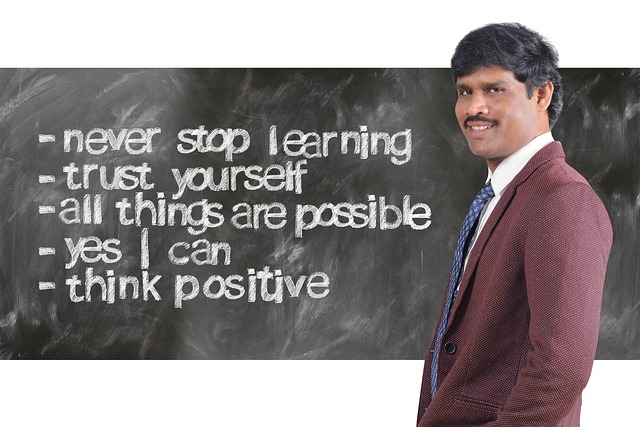
Whether you were “qualified enough” to write about your chosen topic.
And that hesitation quietly slowed you down until you stopped altogether.
I want to address this directly.
Because it’s one of the sneakiest reasons people fail before they even really start.
Do I need to be an expert
Where This Belief Comes From
It feels responsible to think you should be a true expert before offering advice to anyone.
It is an honest, humble position.
But in practice, this belief usually isn’t humility.
It’s a well-disguised form of perfectionism that keeps you from ever actually publishing anything.
Which guarantees the outcome you were afraid of in the first place.
What Readers Actually Need From You
Most readers aren’t looking for the single greatest global expert on a topic.
They’re looking for someone slightly further along than they are, who can explain things clearly, honestly, and specifically.
Someone who’s a few steps ahead, who remembers what it was like to be confused about this exact thing.
It’s often more genuinely useful to a beginner than a distant, credentialed expert who’s forgotten what it’s like not to know something.
Do I need to be an expert
The Expertise Trap in Practice
If you waited until you felt like a true expert before publishing last time, you likely delayed starting far longer than necessary.
Or published far less than you could have, because the bar you’d set for yourself was essentially unreachable.
Expertise, in the way this belief usually imagines it, isn’t a fixed threshold you cross.
It’s a feeling that keeps receding the more you actually learn, because learning reveals how much more there is to know.
What Actually Builds Credibility With Readers
Specificity, honesty, and genuine usefulness build far more credibility than a claimed expert status ever does.
A clear, honest explanation of something you’ve genuinely researched or experienced.
Including what you’re still figuring out reads as more trustworthy than a confident-sounding claim to expertise that isn’t fully backed up.
Reframing What You’re Actually Offering
You’re not claiming to be the final authority on a topic.
You’re sharing what you’ve learned, researched, or experienced, clearly and honestly, for someone who’s a step or two behind you.
That’s a genuinely valuable thing to offer, and it doesn’t require the kind of exhaustive expertise this belief demands before you’re “allowed” to start.
Do I need to be an expert
Being Transparent About What You Don’t Know
One of the most trust-building things you can do is be honest.
When you’re sharing something you’ve researched rather than personally experienced, or when you’re still learning a particular part of your topic.
This transparency, counterintuitively, builds more credibility than pretending to have a level of expertise you don’t.
Why Waiting for Expertise Often Backfires
The people who wait to feel like experts before starting often never quite arrive at that feeling.
Because expertise doesn’t announce itself with a clear internal signal.
Meanwhile, people who start writing while still learning tend to develop real expertise through the process of researching and writing itself.
The expertise comes from doing the work, not before it.
What This Means for Trying Again
If perfectionism around expertise slowed or stopped you last time.
Give yourself explicit permission this time to write as someone.
Who’s genuinely a few steps ahead, rather than as the final word on the subject.
That shift alone tends to unlock a lot of content that perfectionism was previously blocking.
Do I need to be an expert
Write down one thing you understand better than you did a year ago.
Related to a topic you’re considering.
That’s already more than enough of a starting point.
You don’t need to feel like an expert.
You need to be honestly a few steps ahead of the person reading.
Did the feeling of “not being expert enough” hold you back last time?
And if this post helped you, share it with someone else.
That’s genuinely the best way to help me keep writing more of this.
Sheldon Mohl
Leave a Reply